

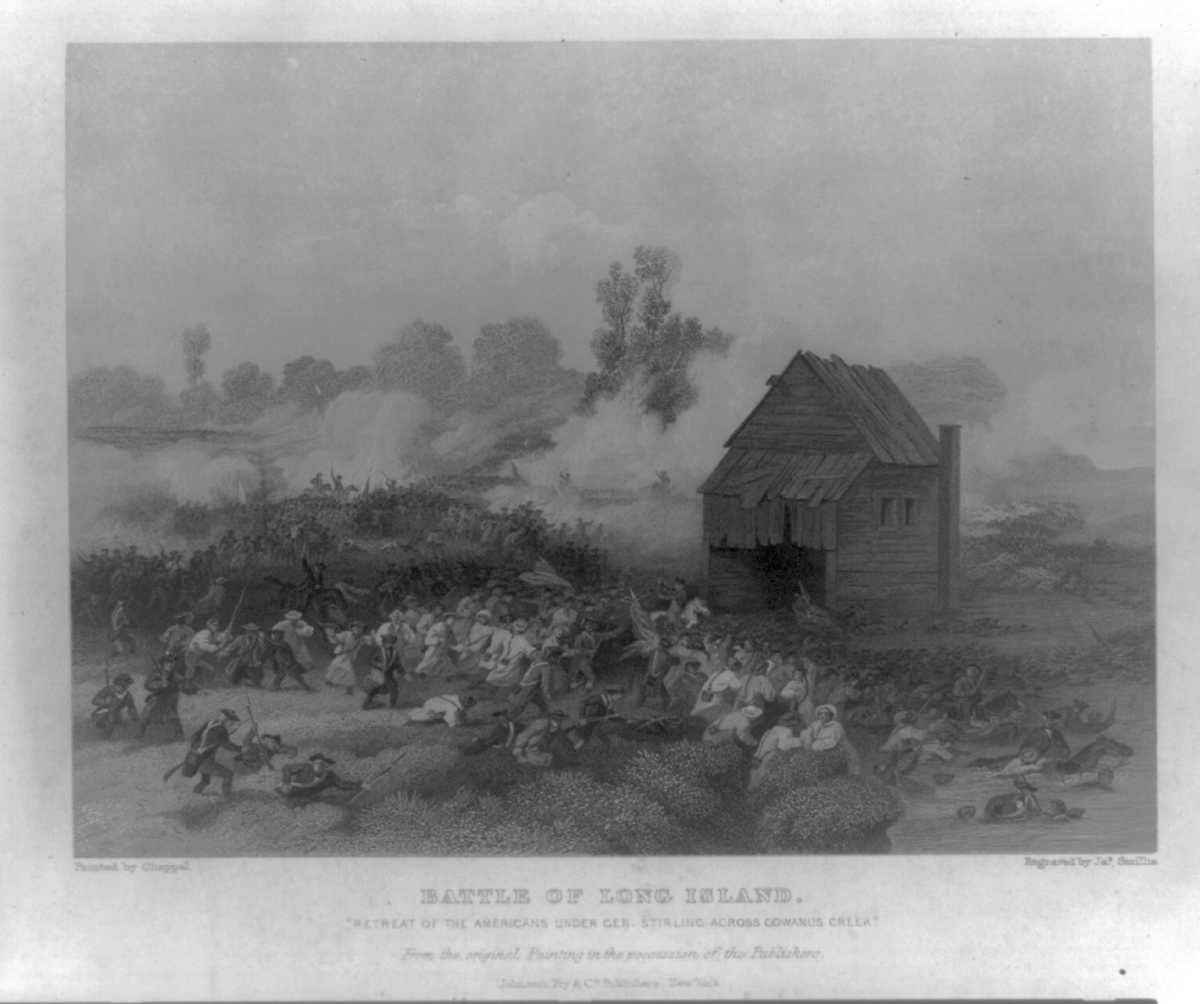
From a battle over ideals of self-governance to skirmishes between the emerging patriot movement, one of the first serious tests of the American Revolution was the defeat at the Battle of Long Island on August 27, 1776.
This British victory left New York City and Long Island under military occupation. Reflecting on the losses, Washington was reported to have said, “Good God, what brave fellows I must this day lose.”
One devastating effect of the battle was the strategic advantage the British gained by fortifying over 1,000 miles of shoreline that encompassed the entire region of Long Island, making local supplies accessible to plunder.
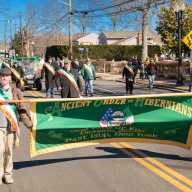
British forts stretched from Fort Greene, Brooklyn, to Sag Harbor, and Washington wanted to punch a hole in the shoreline fortifications. To achieve this objective, Washington would need a person with deep roots in the tight-knit communities that straddled the shoreline and someone skilled in intelligence gathering. Tasked with fulfilling this dire need was former Setauket resident and organizer of the Culper Spy Ring, Benjamin Tallmadge.
From local intelligence gathered on the British forts, Tallmadge explained in his memoir:
“I commenced by stating to the Commander-in-Chief the situation of the different fortifications, the marauding parties going down the island (Long Island), and the unceasing intercourse of our community with New York. After this, I began to intimate my plans to beat up the enemy’s quarters, and disturbing their repose. To all this, Gen. Washington listened with kind attention, and I felt almost prepared to make a direct application to cross the Sound with a detachment of troops.”
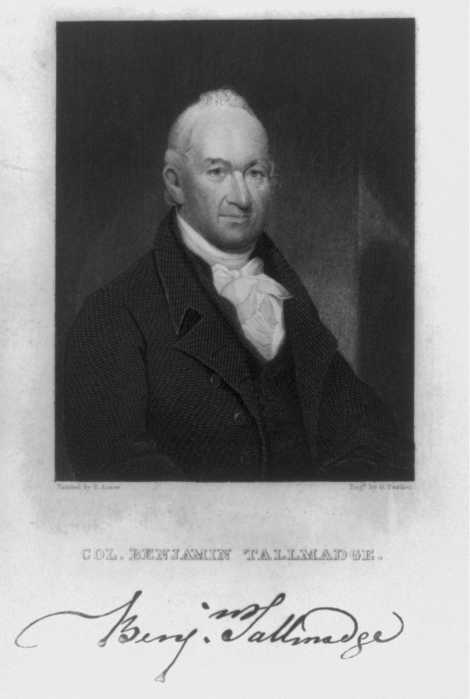
After reviewing information collected by his intelligence network, Tallmadge chose the arsenal and supply house, Fort St. George, in Mastic, which was protected by a few British soldiers and Tories (Loyalists) sent from Rhode Island. However, Washington only approved the raid if the detachments made their main goal the destruction of the King’s magazine in Coram (the main hay supply for the British army).
At 4 p.m. on November 21, 1780, an 80-person detachment from the Light Dragoons 2nd Regiment crossed the Long Island Sound from Fairfield, Connecticut, in a series of eight whaleboats. The men landed in Mount Sinai around 9 p.m.
On November 23, the men were marched south to Mastic, and within two miles of the fort, Tallmadge split them into three detachments, each tasked with attacking one side of the triangular fort. Waiting for the code word from the front detachment, Washington and Glory, all three detachments would attack their assigned sides at the same time.
The frontal detachment, discovered by a British patrol within 40 yards of the fort, heard the patrolling soldier yell, “Who comes there?” With no reply, a shot was fired. The speed of the oncoming forces overtook the British soldiers and penetrated the fort’s front line while yelling Washington and Glory to the other attacking detachments. Within 10 minutes, all three detachments broke through the stockade and entered the fort under musket fire from the windows of a manor house and two blockhouses. Securing the interior of the fort, Tallmadge and his men killed seven British soldiers and took over 50 prisoners, including a British lieutenant colonel, a commandant, a lieutenant, and a surgeon.
According to Tallmadge’s memoir:
“An immense quantity of stores, of various kinds, was destroyed. The shipping and their stores were also burnt up. Some valuable articles of dry goods were made up in bundles, placed on the prisoners’ shoulders, who were pinioned two and two together, and thus carried across the island to our boats.”
However, before their retreat across the Sound, Tallmadge’s memoir goes on to explain that the main objective was to secure it.
“Having given the command of the detachment to Capt. Edgar, with orders to halt at a given point in the middle of the island, I selected ten or 12 men, and mounted them on horses taken at the fort, with which I intended to destroy the King’s magazine at Coram.”
The results showed that about 300 tons of British hay were destroyed in Coram. There were no Patriot soldiers killed during the operation, and only one injury was reported, with the soldier being evacuated back to Fairfield, Connecticut. The success of this raid and future ones disrupted British commerce, broke a hole in the fortified defensive line, and overall set a standard for military merit.
On May 3, 1783, Sgt. Elijah Churchill of the Light Dragoons’ 2nd Regiment received one of the first Badges of Merit for his bravery at the Battle of Fort St. George and the Battle of Fort Slongo (also known as Salonga). These badges later became known as the Purple Heart.