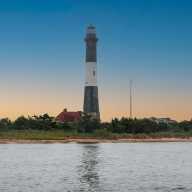


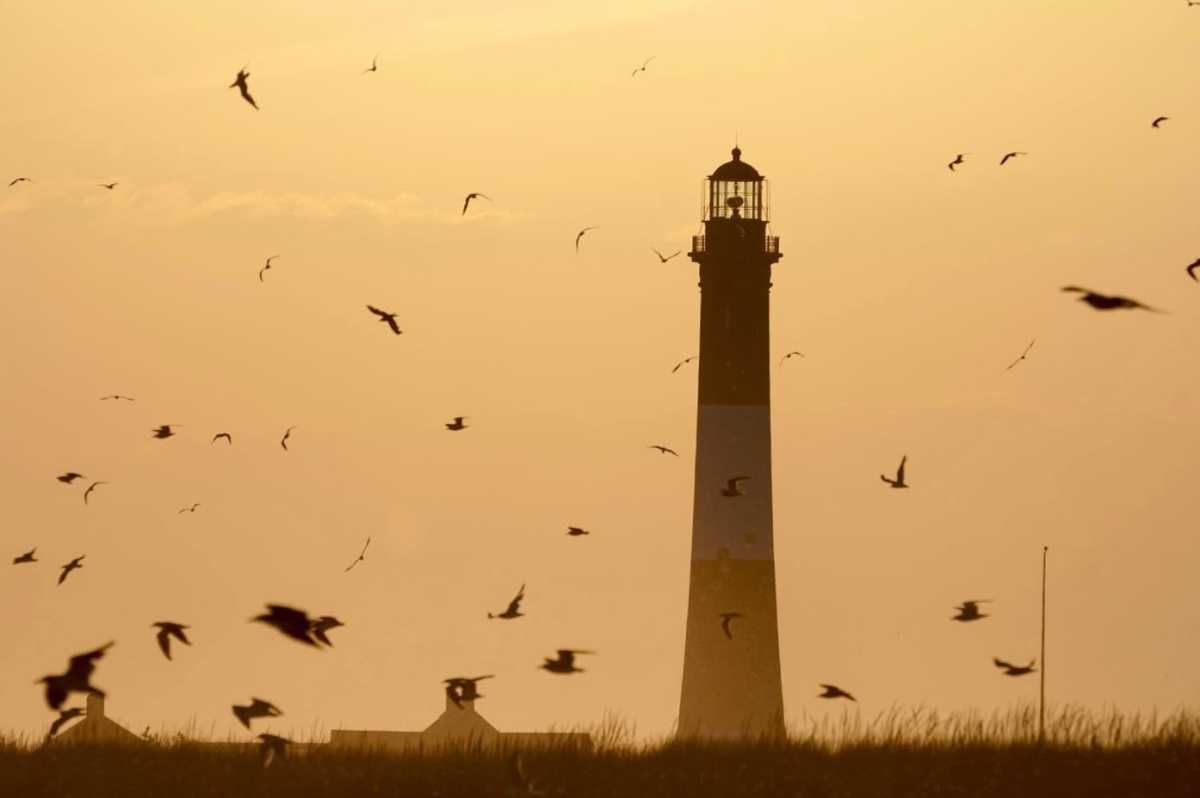
Fire Island Lighthouse is the most visible beacon for the barrier island, which serves as an indirect border to this federally funded 26-mile national seashore and the New York State-funded Robert Moses State Park. The iconic image of this lighthouse appears on candidates’ campaign ads for upcoming local, state, and federal elections, in hopes of best representing the districts they seek to serve.
Historically, New York has been one of the nation’s three largest donor states. A donor state is one that contributes more to federal tax revenue than it receives in federal aid, grants, or congressional discretionary spending. However, New York’s federal spending priorities are best measured by the funding of its only national seashore—Fire Island National Seashore—which has multiple projects classified as low priority or as other essential projects delayed for years while lingering in the budget estimation stage.
But are these candidates bringing home the funding needed to keep Fire Island beaches pristine and the lighthouse structurally sound for visitors?
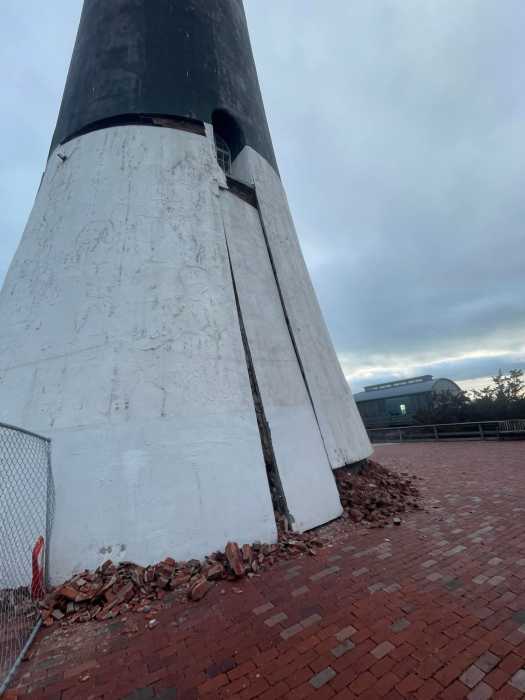
Since a March 2023 windstorm, the lighthouse’s northeast side has lost a 35-foot section of protective external shotcrete (spray concrete), exposing the centuries-old bricks to the elements.
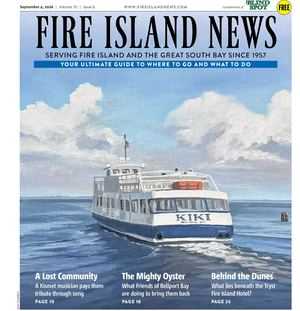
“Structurally, the bricks are solid; there is no danger of it collapsing,” said Fire Island Lighthouse Preservation Society Director Jonathon Gaare in an interview with Fire Island News. “However, in the long term, water can seep behind the bricks, further degrading the structure. For the past 3.5 years, wind, rain, and salt have eroded the 168-year-old bricks.”
“In 2019 and again last March, structural inspectors climbed and rappelled over the tower to assess every square inch of the exterior, and on the inside, they placed seismograph meters to measure the expansion of the bricks. We’re hoping to start a restoration project as soon as we get the funding. We are waiting to hear from the park what the plan will be,” explained Gaare.
Other long-delayed projects around the lighthouse, classified as low priority, include a wheelchair ramp on the lighthouse’s north side and a new gate system at the entrance to the designated National Seashore.
“For the past few years, we have asked [the National Park Service] to fix broken sections of the boardwalk, and they said our credit cards don’t work. We literally can’t buy the lumber,” added Gaare.
Additional essential projects along Fire Island classified as low priority include all marsh resilience restoration planning, slated to roll out around the William Floyd Estates, and all genealogical, geophysical surveys intended to document the history of the National Seashores’ historic communities, purchases of composite decking materials for all facility repairs, and a replacement geothermal pump for the Patchogue Ferry Terminal.
A 2022/2023 National Park Service (NPS) report estimated that 393,749 people visited Fire Island National Seashore parks, and nearly 2.5 million people visited one of the 17 communities across the island, spending $19.6 million in these communities. This spending supported 193 local jobs and generated a cumulative economic benefit of $26.3 million. Federal spending is not an entitlement but an investment in all the South Shore communities that host a Fire Island Ferry terminal, such as Bay Shore and Patchogue, which have rebounded from decades of neglect.
But these sluggish projects and reduced maintenance funds could worsen, as the Trump Administration has proposed a 32% cut in federal discretionary spending for federal parks, potentially triggering an 18% staffing reduction. This proposal faces resistance from members of Congress in both the Democratic and Republican Parties.
These cuts overlook the federal impact studies showing that annual appropriations for the parks totaled $3.3 billion in fiscal year 2022, turning a $1 investment in national parks into more than a $10 boost to the nation’s economy.
Skylar Epstein contributed to this report.