

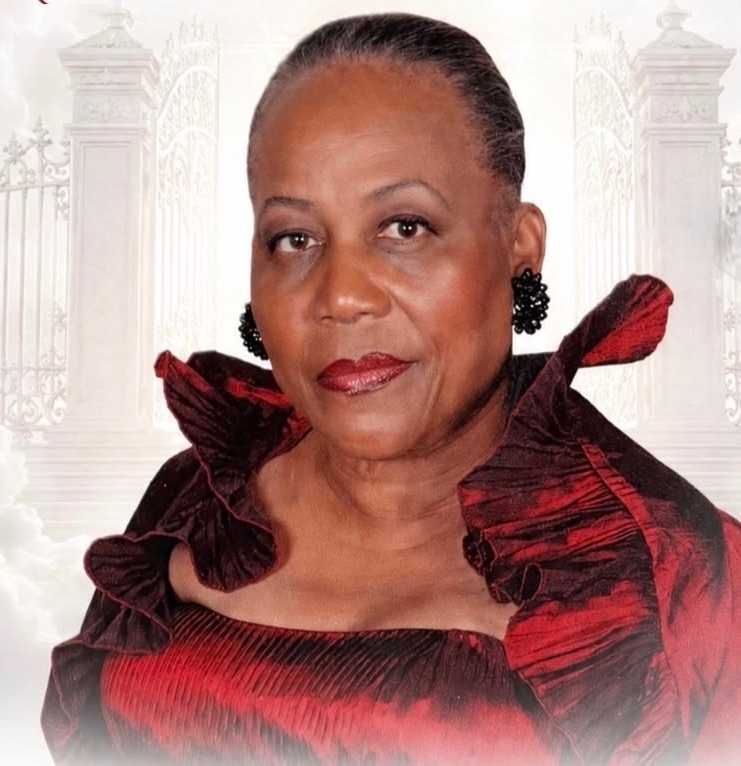
On June 4, 2026, the Bay Shore community lost Deanna Watts, a local activist, historian, writer, beloved church elder, mother, and grandmother, who died surrounded by her family and loved ones. Her legacy will outlast any physical lifespan and endure as a lasting memory.
Born on July 20, 1940, to Herman and Inez Neal of Center Moriches, she began her connection to Bay Shore in 1956 at the age of 16. In those early years, Watts experienced a bustling downtown and racially divided housing, but also an integrated school with a fraternal atmosphere, unlike any other in 1956 Long Island suburbia. Graduating from Bay Shore High School in 1959, she described herself in the yearbook as “Sports Fan… Jazz. Maturity.”
“She was a very classy lady. I have known her for many years, since we were teenagers, and we both attended First Baptist Church,” explained longtime friend Mary Reid in an interview with Fire Island News.
Reflecting on her adolescent years, Watts reminisced about the time she spent at Johnny White’s Nightclub, watching performers such as Bo Diddley, but who had a greater influence on her was the activism of club owner Johnny White. White would shape a generation through his local advocacy within town politics and youth leagues.
In the coming years, she would follow in White’s footsteps in community service and devote her life to empowering all Bay Shore residents.
Watts would go on to pursue a 34-year career as a Director of Affirmative Action/EEO for Central Islip and Pilgrim State Hospitals, and in her off time, she served as a member of the Town of Islip Housing Authority.
During her 25 years with the housing authority, she played a key role in revitalizing the once-blighted Smith Street in Bay Shore, extending the dream of homeownership to dozens of locals.
In 2017, members of the Islip Town Council and Supervisor Angie Carpenter presented her with the Black History Month Award for Community Service in recognition of her role at the housing authority. At the ceremony, Carpenter cited Watts as an “advocate for our residents and has dedicated her life to improving her community.”
Over the last 20 years, revitalization efforts throughout the Bay Shore community have created a greater need to preserve Bay Shore’s history. Watts, in an effort to fulfill this need, became an active participant in preserving Bay Shore’s long, rich culture by organizing panel discussions with the Bay Shore Historical Society every February to highlight the local Black community’s history.
Events such as Bay Shore’s Quiet Influencers brought together the Black community’s most influential members to weave their historic experiences into an oral history documented for generations to come.
“The history of Bay Shore is unknown to many people, and once they explore it, they discover how vibrant the community is,” Barry Dlouhy, president of the Bay Shore Historical Society, said. “The black community’s involvement is extensive and underexplored. Deanna Watts was the ideal person to bridge personal memories with public history, making her a respected voice in the town’s cultural narrative.”
Watts received a State Senate proclamation from Sen. Alexis Weik in recognition of her work.
“I believe it’s very important that we don’t forget those who came before us. You learn from them,” Watts said in a statement released at the time.
She is survived by her two daughters, Kimberly Ann Batiste (Delbert) and Texanna Hazel Watts.