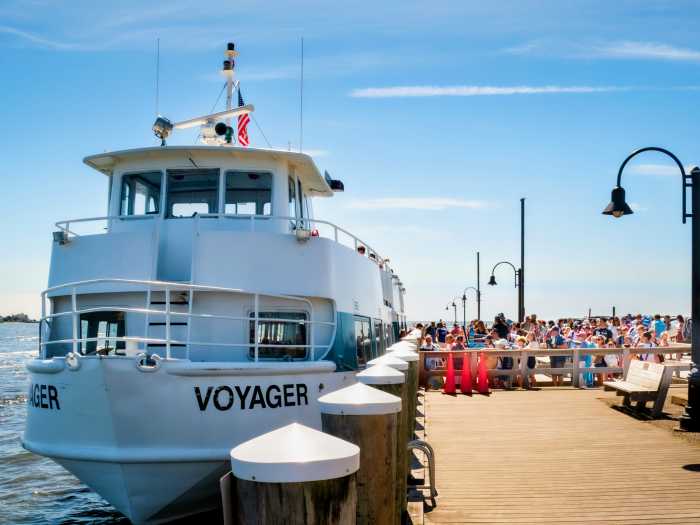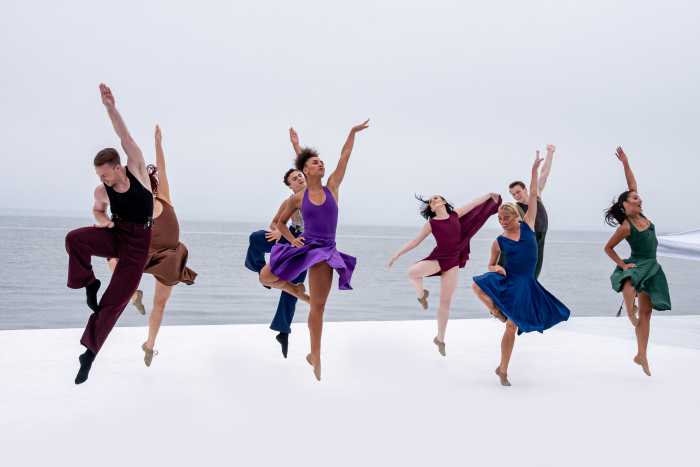


The Fire Island Dance Festival, returning July 18-19 to Fire Island Pines, is set on a waterfront stage overlooking the Great South Bay. The festival gathers extraordinary dancers in a place where salt air, open sky, and communal memory become part of the performance. Here, dance is not merely entertainment. It is witness, offering, and love made visible, moving from the stage into real life through meals, medication, counseling, emergency assistance, testing, grants, and care.
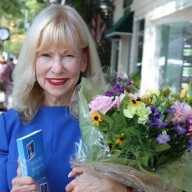
At the center of this transformation is Dancers Responding to AIDS (DRA), a program of Broadway Cares/Equity Fights AIDS. DRA was co-founded in 1991 by Denise Roberts Hurlin and Hernando Cortez, two dancers responding to a crisis devastating their community. Hurlin recalled the early urgency plainly: “These people are dying.”
After DRA became a program of Broadway Cares/Equity Fights AIDS in 1993, the mission widened. “We can use our talent,” she explained. “We can use our art, we use our creativity to fundraise.”
That beginning still carries extraordinary weight. During the AIDS crisis, a generation of dancers, writers, actors, musicians, lovers, artists, and cultural forces was being lost in hospital rooms, rehearsal studios, apartments, theaters, and friendships. The destruction was not only medical; it was intimate, spiritual, and brutally cultural. DRA emerged from that grief and gave it motion.
Since its debut in 1995, Fire Island Dance Festival has raised more than $10 million to help provide lifesaving support across all 50 states, Washington, D.C., and Puerto Rico. The figure is remarkable, certainly, yet the deeper triumph lies in what it represents: grief transformed into action, artistry sharpened into aid, and beauty placed in the service of survival.
Unsurprisingly, Hurlin is clear that the urgency has changed, though it has not disappeared. Today, she said, the work reaches “the whole health and well-being” of people living with HIV, those facing food insecurity, and artists in need. She spoke of the link between medication and nutritious food, as well as the organization’s annual grant to the Pines Care Center, which helps keep testing and support available in the very community that hosts the festival.
I left my conversation with a clearer understanding of DRA’s real legacy: It might be a meal, a clinic visit, a rent payment, or another person surviving long enough to see another season.
Fire Island Pines itself is essential to this alchemy. With its long history as a sanctuary for LGBTQ+ life, artistry, rebellion, pleasure, and chosen family, the Pines is not merely a backdrop. “It’s about the community as well,” Hurlin said.
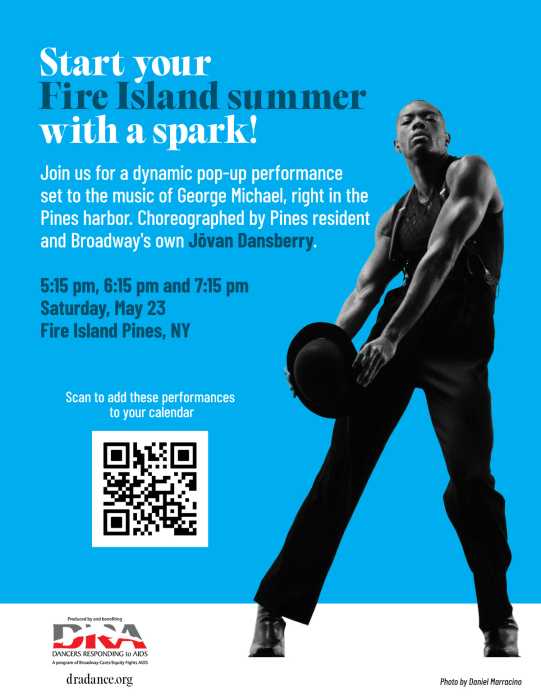
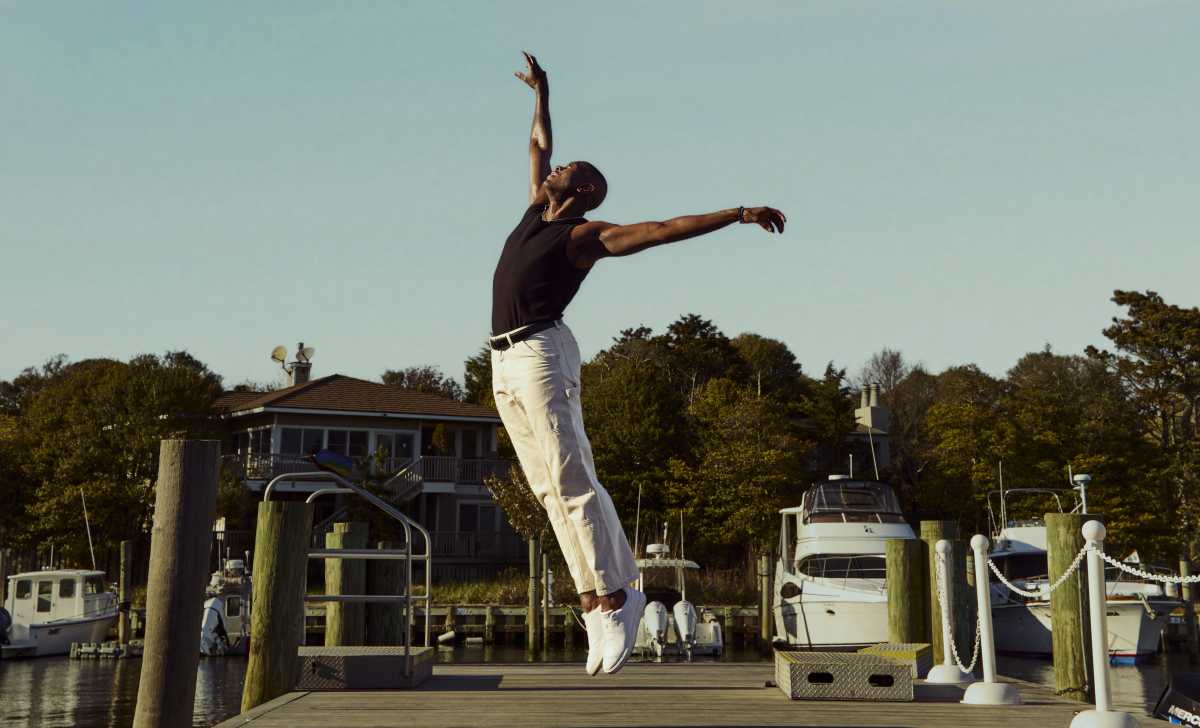
For choreographer and Broadway performer Jōvan Dansberry, who will help launch the season with free pop-up performances in the Pines harbor on May 23, that geography is charged. He has performed at the Metropolitan Opera, on Broadway, and across film and television, yet dance remains his first language.
“Dance has always been my first love,” he said, adding that he views productions and direction “through a movement lens.”
His passion arrives with fire. Fire Island, he said, has “always been a safe haven for creativity,” especially for queer artists who come there and “come alive.” In the harbor, the stage is not confined by walls or proscenium. The work can breathe with the place itself. As he put it, “You get to make a dance piece that incorporates the energy of where you are.”
His piece, You Have Been Loved, set to George Michael’s music, explores the “three love theory”: First love, intense love, and true love. Yet, for Dansberry, the work is not simply about romance. “It is about freedom,” he said. “It is about release. It is about love.” It is also about identity, grief, and the difficult beauty of learning oneself through feeling.
Perhaps most importantly, Dansberry wants dance to meet people where they are. Familiar music allows an audience to lean in rather than feel excluded, while movement gives that music another life. He described dance as a way “to show how you can embody language.” Dance, in his view, should not live behind a velvet rope of interpretation.
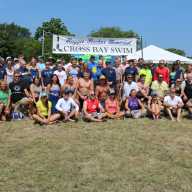
Each year, 80 to 100 volunteers return to build, carry, prepare, and endure long outdoor days so beauty can arrive with grace. As Hurlin said, “We have to build everything.”
This year’s lineup brings that beauty into sharp focus. Broadway and film’s Chris Jarosz will open with a world premiere, Miami City Ballet will present an excerpt from Alexei Ratmansky’s Roses from the South: Three Waltzes for Toby, Ricky Ubeda will share a new work shaped by his electric style, and Jake Vincent will bring movement where sweeping physicality meets quiet intimacy.
The Fire Island Dance Festival endures because it understands that legacy is not passive; it must be rehearsed, funded, protected, danced, and renewed. From the crisis of 1991 to the waterfront stage of 2026, DRA has created something profoundly human from catastrophic loss: a living monument made of motion, memory, care, and a community still choosing to respond.
Learn more about the Fire Island Dance Festival at dradance.org.