

A major shift in how dementia care is delivered on Long Island will take shape this summer as the Alzheimer’s Disease Resource Center (ADRC), a trusted nonprofit serving Nassau and Suffolk counties for more than four decades, formally completes its merger with New York City-based CaringKind.
The merger, expected to be finalized by July 2026, builds on a strategic affiliate partnership announced earlier this year and is designed to expand access to critical services for Long Island families navigating Alzheimer’s disease and related dementias.
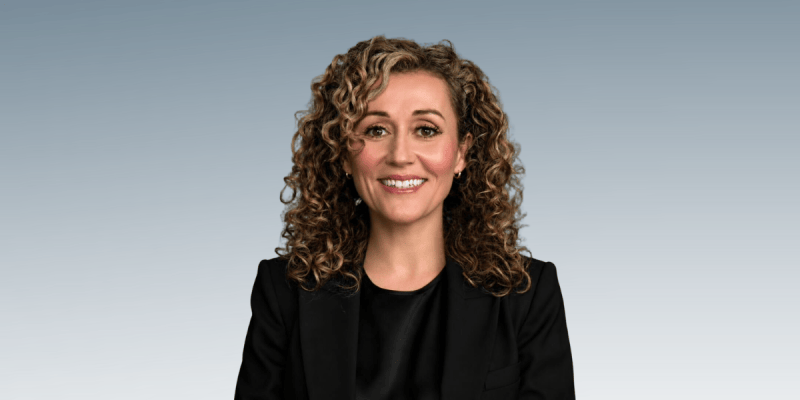
For ADRC Executive Director Lauren Vlachos, the move is both strategic and deeply personal.
“Long Island families are facing a growing and urgent need for dementia care, and too many are navigating it alone,” Vlachos said. “This merger allows us to meet that need in a much bigger way, without losing the local relationships and trust we’ve spent decades building.”
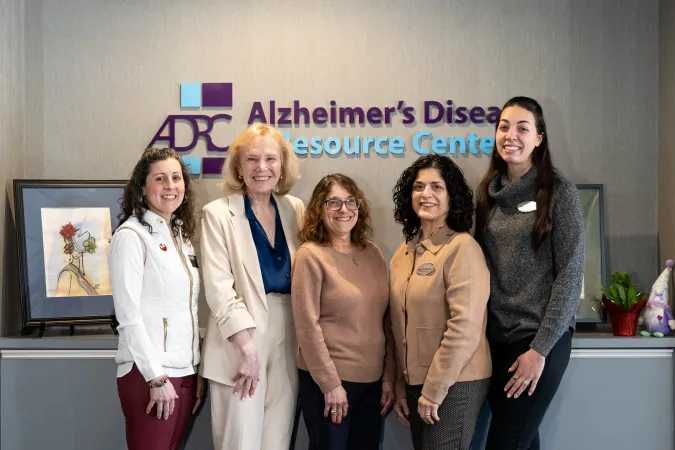
Founded in 1983, ADRC has long been a cornerstone of dementia support across Long Island, providing education, caregiver support, and life-enrichment programs rooted in the community. In recent years, under Vlachos’s leadership, the organization has expanded its programs, partnerships, and overall reach, positioning it for this next phase of growth. CaringKind, established more than 45 years ago, brings a broader infrastructure of free, comprehensive services, including a 24/7 helpline, care consultations, and evidence-based programs.
The merger unites these strengths, combining ADRC’s deep local presence with CaringKind’s scale and clinical expertise to create a more connected system of care across the region.
Importantly, ADRC’s Long Island footprint is not going away. Its East Islip resource center, community-based programs, and partnerships across Nassau and Suffolk counties will remain in place and are expected to grow under the new structure.
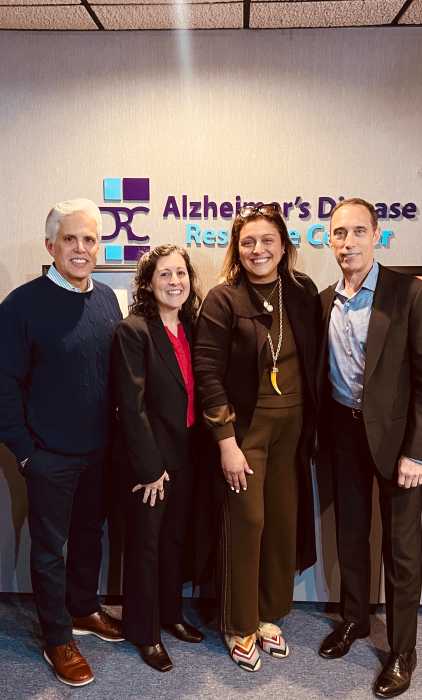
Instead, families will see an expansion of services, including access to CaringKind’s 24/7 helpline, Cognitive Stimulation Therapy (CST), caregiver training, and specialized programs designed to support individuals at every stage of the disease.
That expansion is already underway. As of this spring, CaringKind’s helpline became available to all Long Island residents, offering immediate, expert guidance for families facing diagnosis, caregiving challenges, and long-term planning.
“This is about making sure that no family on Long Island has to figure this out on their own,” Vlachos said. “We’re creating a true front door to care, whether someone needs information, emotional support, or a full roadmap for what comes next.”
The merger also ensures continuity for the community. ADRC’s staff have transitioned into the combined organization, preserving longstanding relationships with local families, healthcare providers, and community partners.
Leaders say the timing is critical. More than seven million Americans are currently living with Alzheimer’s disease, and that number is expected to grow significantly in the coming years, increasing demand for accessible, coordinated care.
For Long Island, where aging populations and caregiving demands continue to rise, the merger represents a proactive response, one driven not by crisis, but by opportunity.
“This wasn’t about waiting until we were forced to change,” Vlachos said. “It was about leading, looking ahead at what our community will need five, ten years from now, and building the kind of organization that can meet that moment.”
Community members are likely to see that impact through expanded programming, greater access to specialized services, and continued local events such as ADRC’s annual Walk and Brain Health initiatives, which bring together families, caregivers, and providers from across the region.
While the name CaringKind may be new to some Long Islanders, the mission remains familiar: ensuring that individuals living with dementia, and those who care for them, have access to compassionate, high-quality support close to home.
“This is still ADRC at its core,” Vlachos said. “But now, it’s ADRC with the full strength of a larger network behind it. And that means more support, more access, and more hope for every family we serve.”